Share our site:

SHARE
206
VASARI. Le vite de' più eccellenti pittori, scultori et architetti.
1647
EUR 2.500,00
Base d'asta
EUR 3.000,00 / 4.000,00
Stima
Descrizione
VASARI. Le vite de' più eccellenti pittori, scultori et architetti.
1647
1647
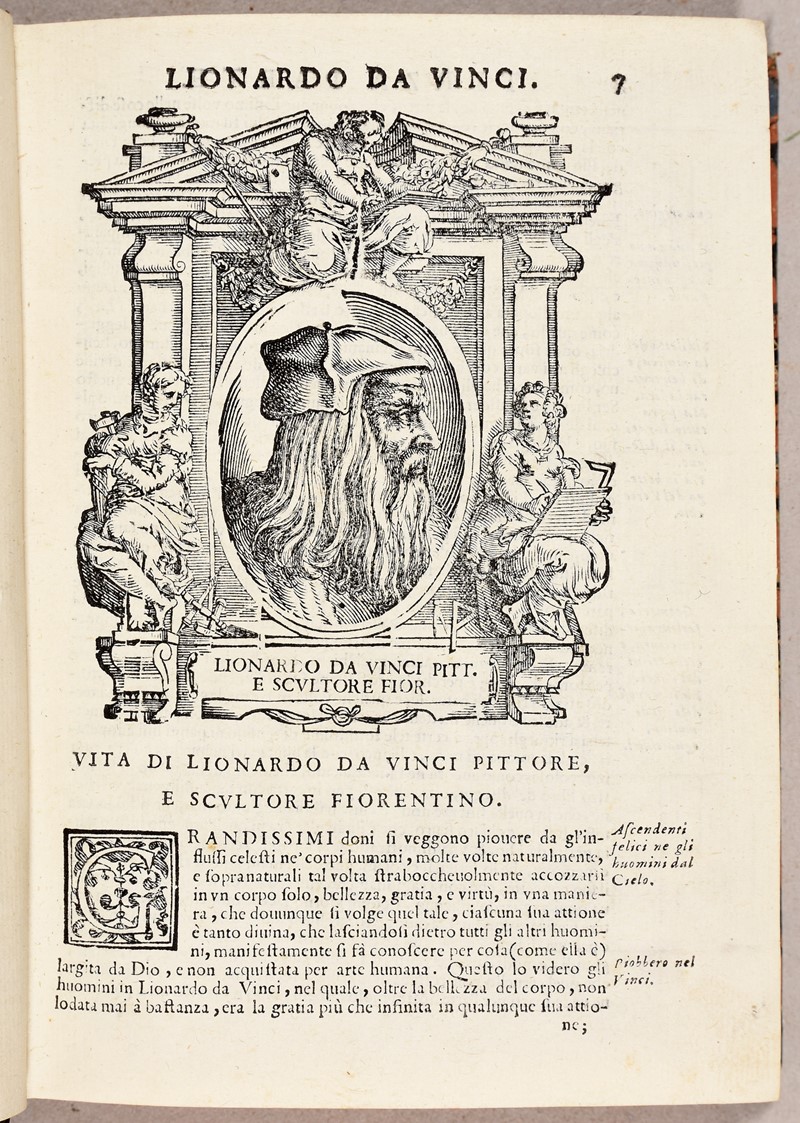
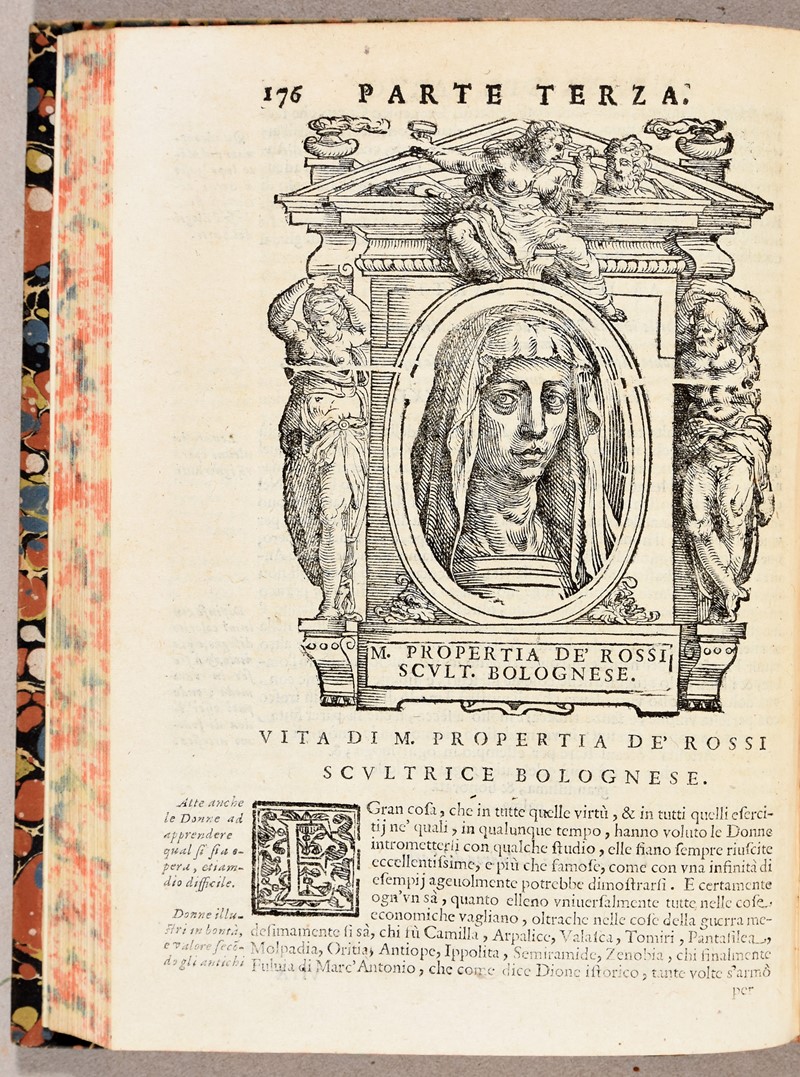
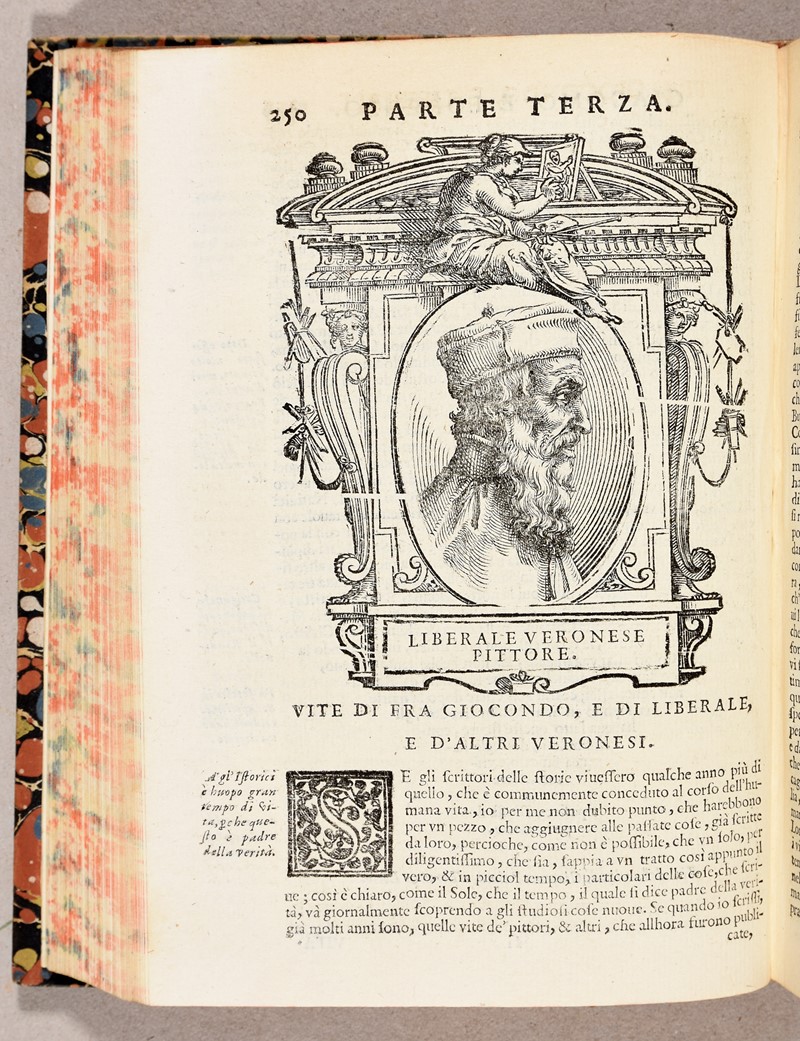
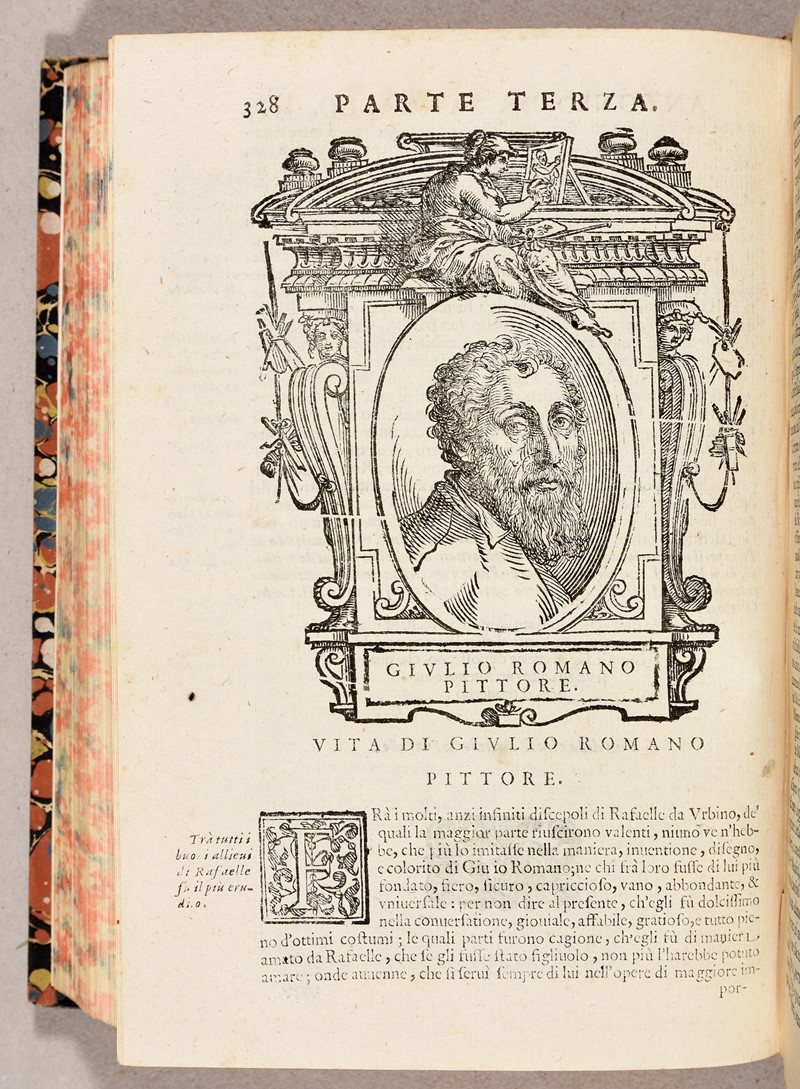
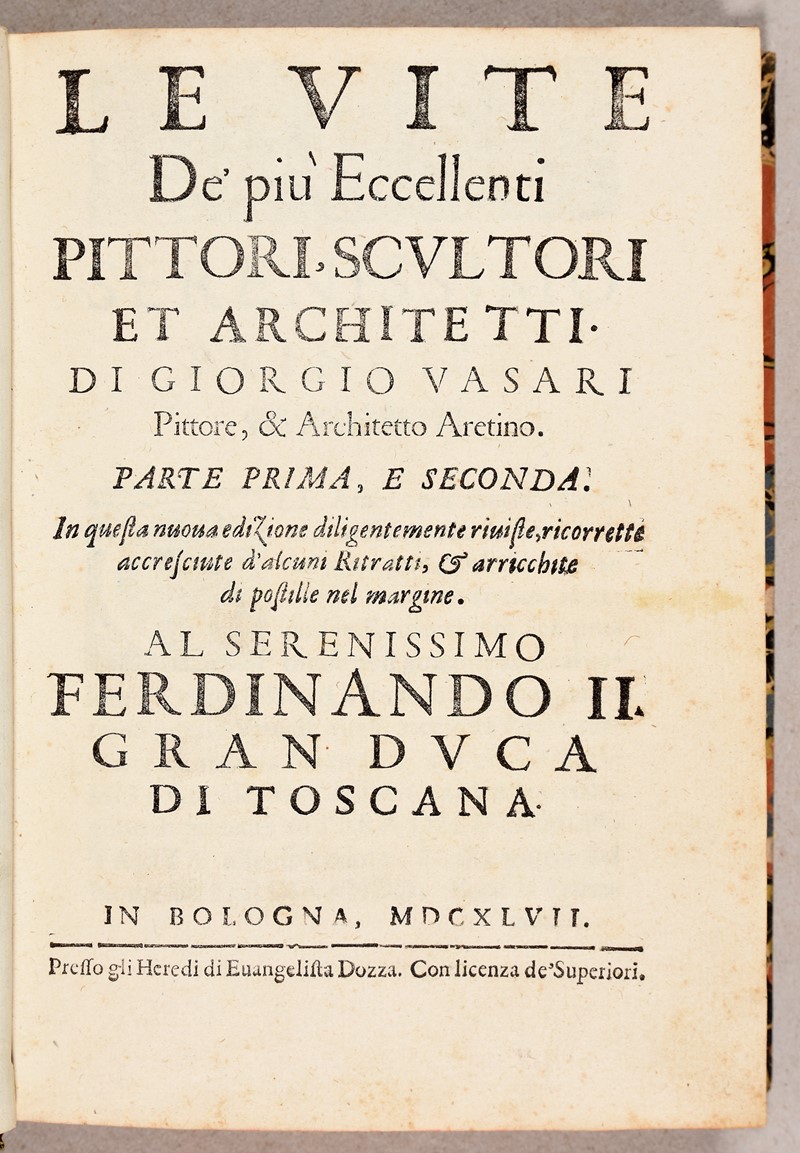
VASARI, Giorgio. Le vite de' più eccellenti pittori, scultori et architetti [...]. In questa nuova edizione diligentemente riviste, ricorrette, accresciute d'alcuni ritratti, et arricchite di postille nel margine
Bologna, Heredi di Evangelista Dozza, 1647
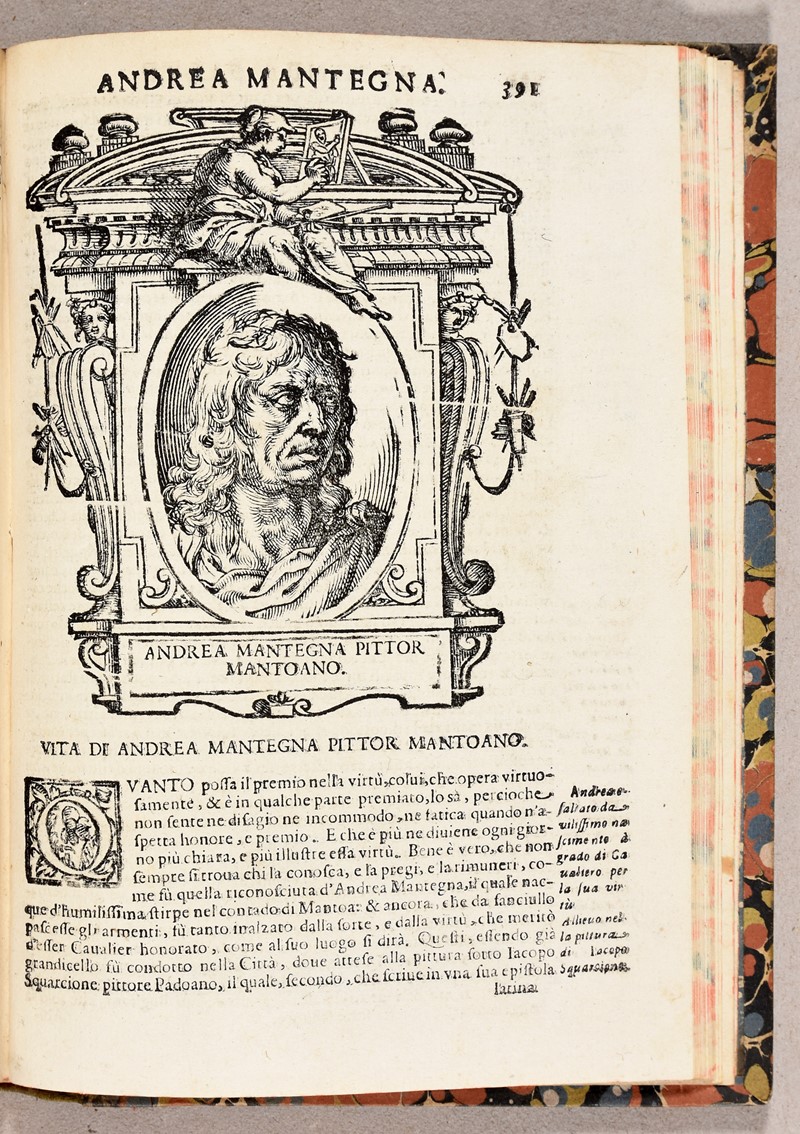
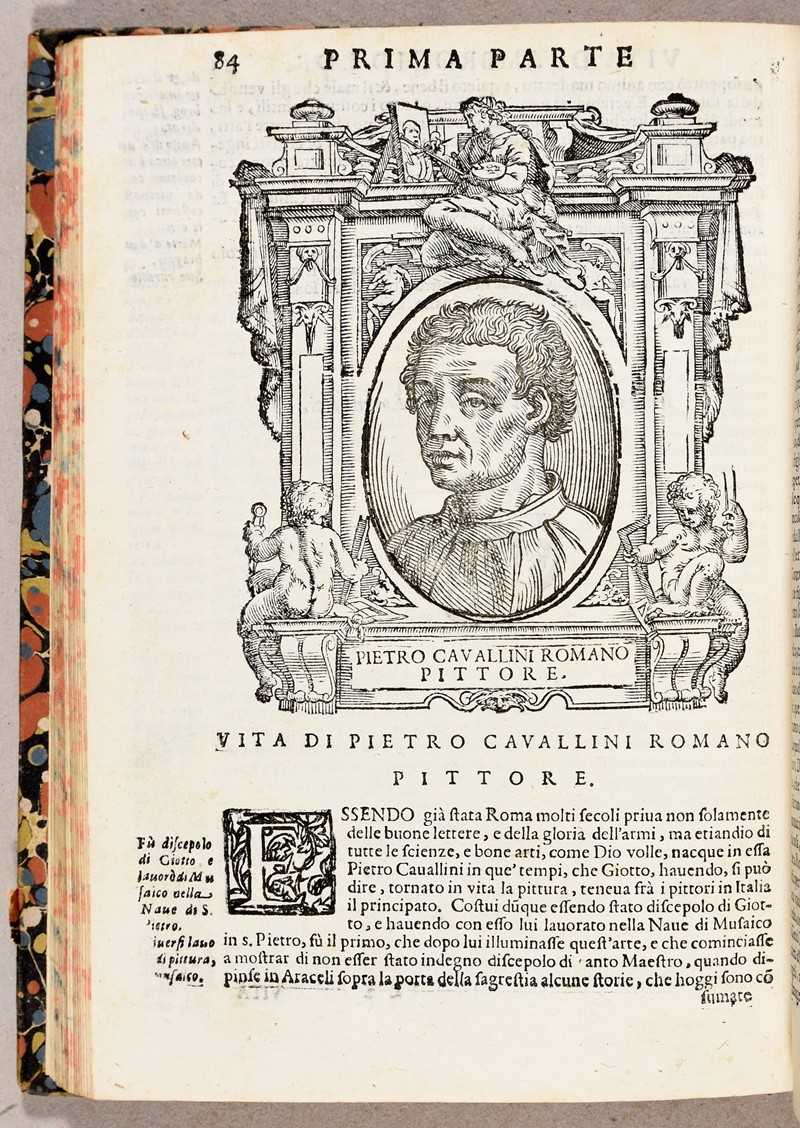
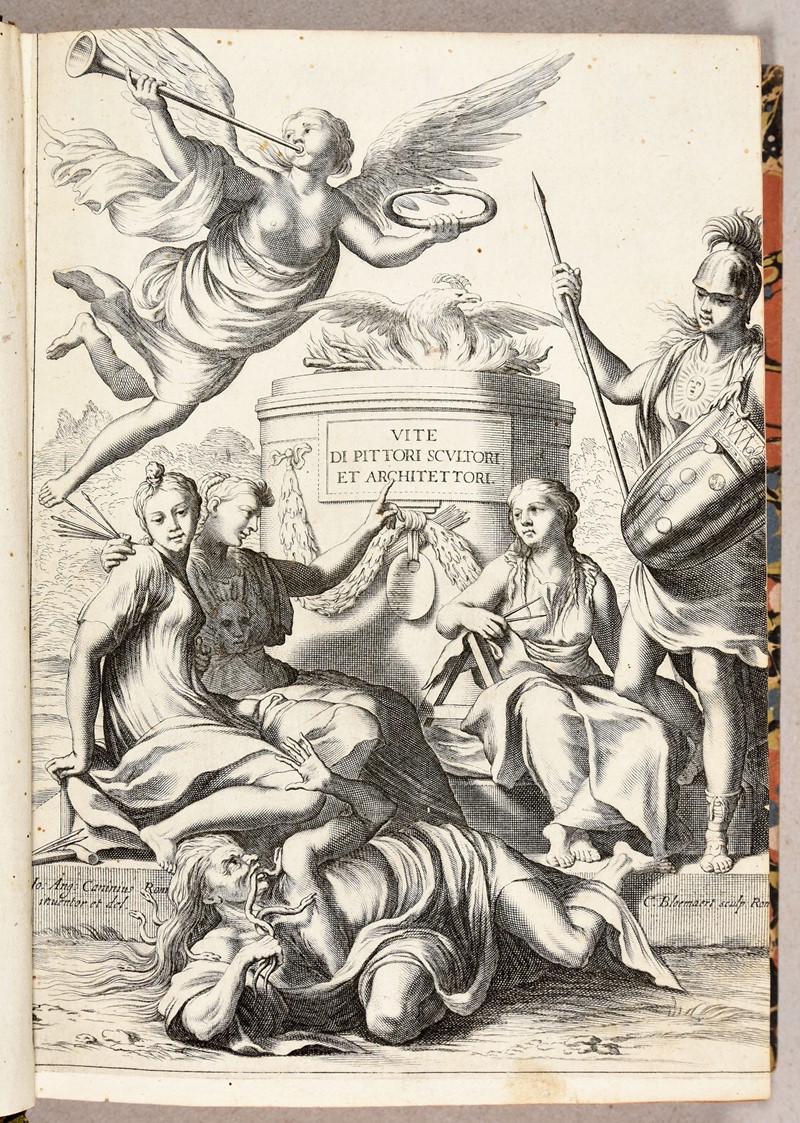
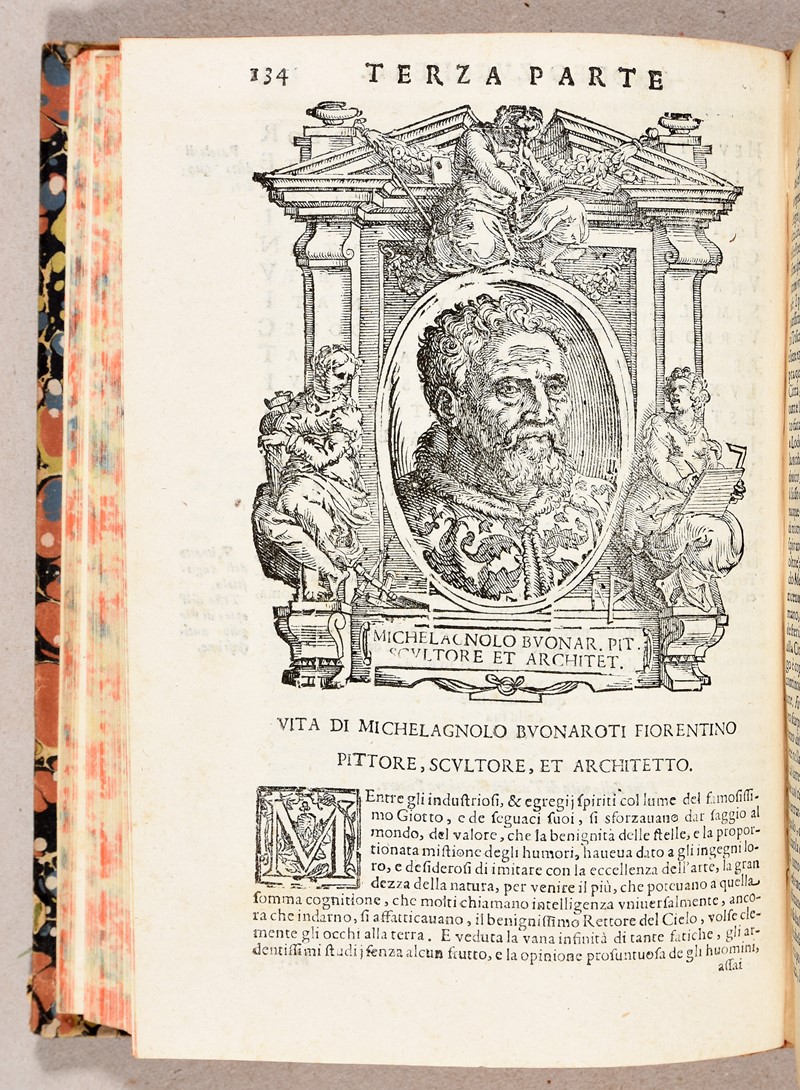
Rara edizione figurata, rivista, corretta ed accresciuta. Per questa edizione il curatore Carlo Monalessi acquistò le xilografie originali utilizzate per la prima edizione figurata Giuntina del 1568 e fece aggiungere diversi nuovi ritratti. I ritratti furono disegnati dallo stesso Vasari e incisi da Coriolano, mentre lo splendido frontespizio allegorico, al primo volume, fu disegnato da Giovanni Angelo Canini e inciso in rame da Bloemaert. Rubin: “Vasari organized the lives in his book into three parts, or ages, roughly corresponding to the fourteenth, fifteenth, and sixteenth centuries, each defined by their distinctive character. He dated the initial stages of the rebirth or recovery of the lost attainments of antiquity to around 1240, when Giovanni Cimabue was born to kindle 'the first lights of painting'…. "[Vasari's] sources in both writing and painting were absorbed and transformed into new expressive forms, whether on palace walls or in artists' lives. Both were meant to charm and please, to be varied and lifelike. They were true to nature but not idealized. Both were modern. The book was more original. Nothing like it had existed before. Literary friends could offer suggestions, but no plan or scheme or program. The 'Lives' are Vasari's own, and probably greatest invention”.
Graesse VI 264; Brunet V 1096; Cicognara 2391; Choix 15790; Schlosser 251; Patricia Lee Rubin, Maurice Rubin, Giorgio Vasari: Art and History, Yale University Press, 1995.
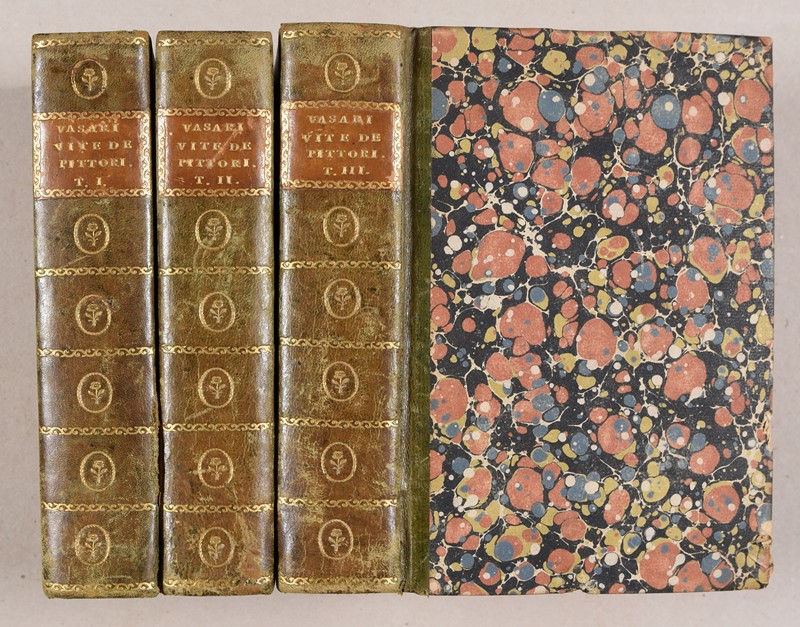
3 volumi in 4to; 220x160 mm. Legatura del XIX secolo in mezza pelle, piatti in carta marmorizzata, dorsi lisci in pecora verde con titoli e fregi in oro, tagli marmorizzati. Pagine [20 inclusa Antiporta], 76, 432; [2], 2, 3-543, 1 bianca; [44], 407, [132], 1 bianca. Colophon a carta 3E4v. Antiporta allegorica incisa in rame al primo volume, 149 ritratti in medaglioni impressi in xilografia nel testo, entro cornici architettoniche, 6 medaglioni vuoti. Iniziali ornate e abitate, marca tipografica alla fine dei volumi 2 e 3. Antiporta rifilata sui margini superiore ed esterno, internamente occasionale foxing sui margini, traccia di tarlo sul margine inferiore del volume I, con restauri alle pagine 159 e 164, in complesso buon esemplare.
Condition Report
VASARI, Giorgio. Le vite de' più eccellenti pittori, scultori et architetti [...]. In questa nuova edizione diligentemente riviste, ricorrette, accresciute d'alcuni ritratti, et arricchite di postille nel margine
Bologna, Heredi di Evangelista Dozza, 1647
Rare illustrated edition, revised, corrected and enlarged. For this edition the editor Carlo Monalessi purchased the original woodcuts used for the first Giuntina illustrated edition of 1568 and added several new portraits. The portraits were drawn by Vasari himself and engraved by Coriolanus, while the splendid allegorical frontispiece, to the first volume, was designed by Giovanni Angelo Canini and engraved in copper by Bloemaert. Rubin: “Vasari organized the lives in his book into three parts, or ages, roughly corresponding to the fourteenth, fifteenth, and sixteenth centuries, each defined by their distinctive character. He dated the initial stages of the rebirth or recovery of the lost attainments of antiquity to around 1240, when Giovanni Cimabue was born to kindle 'the first lights of painting'…. "[Vasari's] sources in both writing and painting were absorbed and transformed into new expressive forms, whether on palace walls or in artists' lives. Both were meant to charm and please, to be varied and lifelike. They were true to nature but not idealized. Both were modern. The book was more original. Nothing like it had existed before. Literary friends could offer suggestions, but no plan or scheme or program. The 'Lives' are Vasari's own, and probably greatest invention.”
Graesse VI 264; Brunet V 1096; Cicognara 2391; Choix 15790; Schlosser 251; Patricia Lee Rubin, Maurice Rubin, Giorgio Vasari: Art and History, Yale University Press, 1995.
3 volumes in 4to; 220x160 mm. 19th quarter green leather binding and marbled paper boards, gilt ornament, flat spines with gilt titles and rules, marbled edges. Pages [20 including Frontispiece], 76, 432; [2], 2, 543; [44], 407, [132]. Colophon on leaf 3E4v. Copper-engraved allegorical frontispiece to the first volume, 149 woodcut portraits in medallions in the text, within architectural frames, 6 empty medallions. Ornate and inhabited initials, printer's devices at the end of volumes 2 and 3. Some marginalia of ancient hand. Frontispiece trimmed on the upper and external margins, occasional internal foxing and stains on the margins, trace of woodworm on the lower margin of volume I, with restorations on pages 159 and 164, overall a good copy.
Bibliografia
Graesse VI 264; Brunet V 1096; Cicognara 2391; Choix 15790; Schlosser 251; Patricia Lee Rubin, Maurice Rubin, Giorgio Vasari: Art and History, Yale University Press, 1995.
mar 9 Giugno 2026
Orari Asta
Via dei Soncin, 28
35122 PADOVA
ESIBIZIONE: 3-5 Giugno 2026 solo su appuntamento.
Per prenotare il vostro appuntamento chiamare il numero 049 8755317 o mandare una email a info@badoemart.it
Ricordiamo che il nostro staff rimane a vostra disposizione per eseguire condition report dettagliati con foto aggiuntive a quelle già presenti in catalogo.

Bado e Mart
https://www.badoemart.it/img-footer/logo.png
Bado e Mart Srl
Via Dei Soncin, 28
35122 Padova Veneto Italy
Tel. +39 049 8755317
Fax +39 049 8755317
E-mail: info@badoemart.it
Partita IVA IT00773300280
35122 Padova Veneto Italy
Tel. +39 049 8755317
Fax +39 049 8755317
E-mail: info@badoemart.it
Partita IVA IT00773300280
Follow us on
Copyright Bado e Mart 2018. All rights reserved.
Realized by Thetis Srl
Realized by Thetis Srl